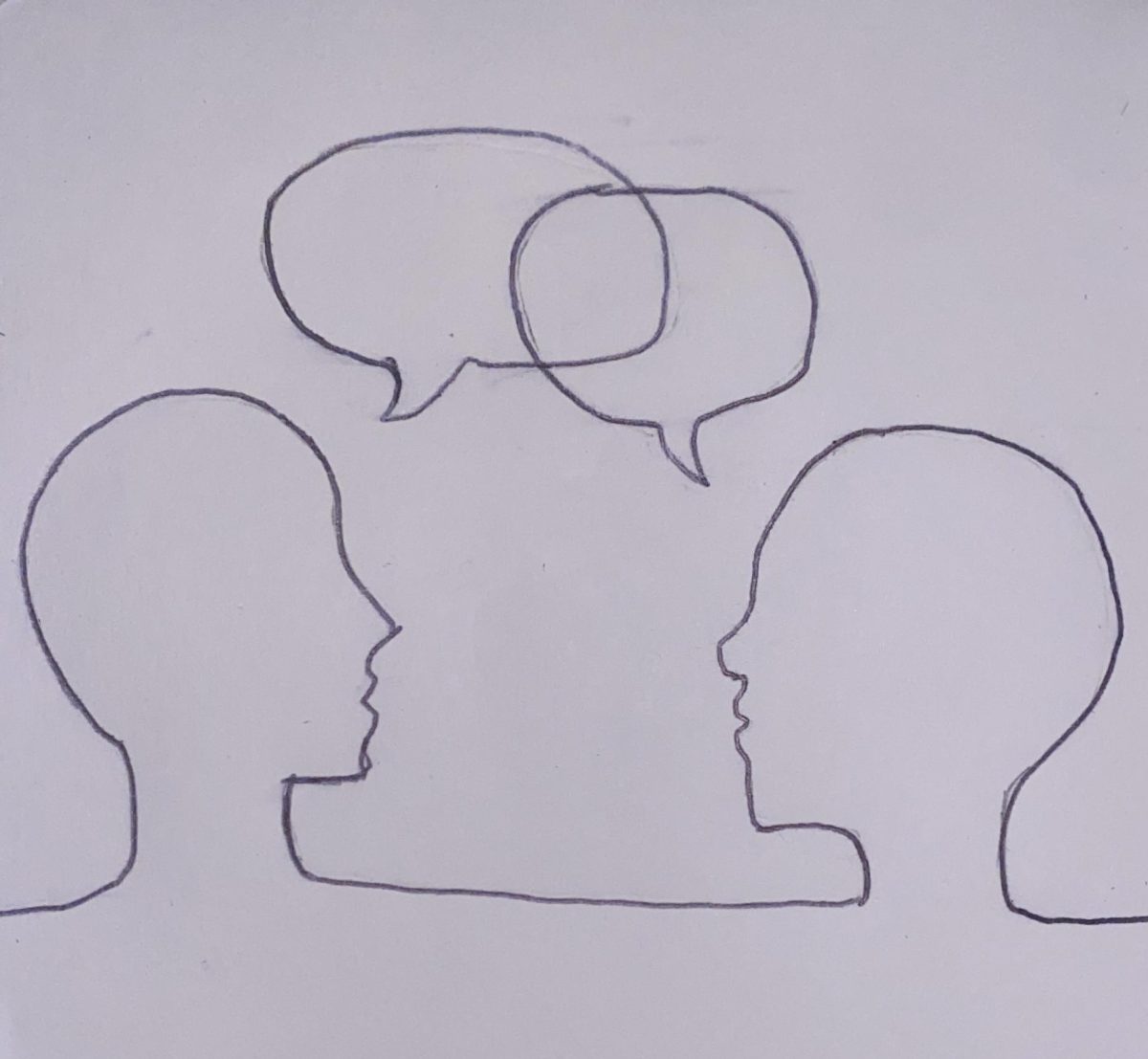
Teenagers are constantly told that they are the future, yet, when they try to speak about the present, their voices are ignored. Adults will often say that teens are too young, too emotional, or too inexperienced to have valid opinions. This mindset creates a cycle where teens stop speaking up, not because they have nothing to say, but because they believe no one is listening.
One reason teen voices are ignored is because of stereotypes. Teens are often seen as immature or dramatic. While teens are still learning, their feelings and experiences are real. They deal with school stress, friendships, mental health, and pressure from society every day. Ignoring these struggles can make teens feel unimportant.
Another reason is power. Adults are usually the ones in charge at school and at home, so their voices seem to matter more. Many rules and decisions affect teens directly, yet teens are rarely asked what they think. When teens speak up, they are often told to wait until they are older, even though they are the ones being affected right now.
Social media allows teens a place to share their thoughts and opinions, but it can also work against them. Older people sometimes see their posts as jokes or trends and do not take the message seriously. This causes real concerns to be brushed off or easily ignored.
When teen voices are not being heard, it can lead to frustration and silence. Teens may stop trying to speak up because they believe it will not make a difference. This hurts everyone because society misses out on honest and new perspectives.
Teen voices matter, they do not need to have all the answers to be heard. Listening to teens builds respect, confidence, and understanding. If teens are truly the future, then their voices should matter today.